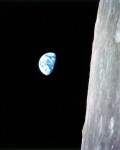
The cycle of the machine is now coming to an end. Man has learned much in the hard discipline and the shrewd, unflinching grasp of practical possibilities that the machine has provided in the last three centuries: but we can no more continue to live in the world of the machine than we could live successfully on the barren surface of the moon.
Nothing is unthinkable, nothing impossible to the balanced person, provided it comes out of the needs of life and is dedicated to life’s further development.
Traditionalists are pessimists about the future and optimists about the past.
We must give as much weight to the arousal of the emotions and to the expression of moral and esthetic values as we now give to science, to invention, to practical organization. One without the other is impotent.
Nothing endures except life: the capacity for birth, growth, and renewal.
The chief function of the city is to convert power into form, energy into culture, dead matter into the living symbols of art, biological reproduction into social creativity.
The mind reproduces itself by transmitting its symbols to other intermediaries, human and mechanical, than the particular brain that first assembled them…
If we are to prevent megatechnics from further controlling and deforming every aspect of human culture, we shall be able to do so only with the aid of a radically different model derived directly, not from machines, but from living organisms and organic complexes (ecosystems). What can be known about life only through the process of living — and so is part of even the humbles organisms — must be added to all the other aspects that can be observed, abstracted, measured. … Once an organic world picture is in the ascendant, the working aim of an economy of plenitude will be not to feed more human functions into the machine, but to develop further man’s incalculable potentialities for self-actualization and self-transendence, taking back into himself deliberately many of the activities he has too supinely surrendered into the mechanical system.
Forget the damned motor car and build the cities for lovers and friends.
– Lewis Mumford (Born October 19, 1895)
 Gatlinburg Garden Castle Rainbow Tower Library Imagination Station Temple Water Spirit Guardian Labyrinth Treasury Magic Healing
Leave a comment